
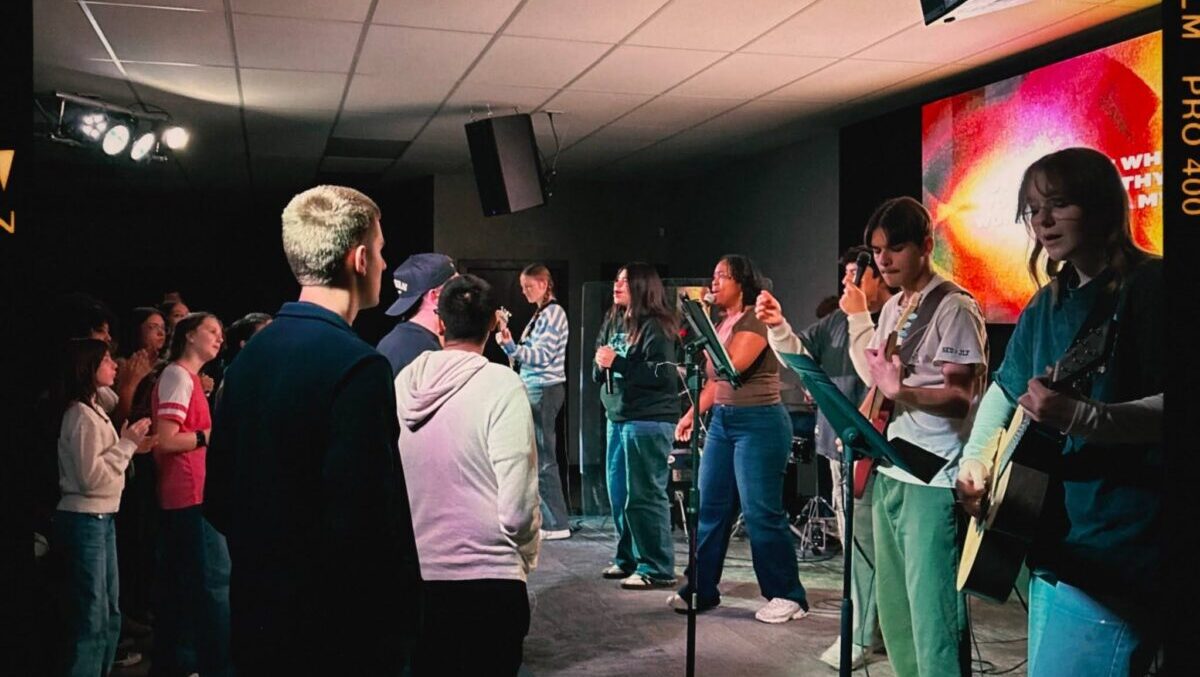
There is something special about the midweek gathering in Youth Ministry. Students gather, friendships grow, worship happens, and lives are changed. We spend so much time creating environments where students can encounter Jesus and grow in their faith, and it is powerful!
But we don’t want discipleship to stop at Wednesday night.
As leaders, we have an incredible opportunity to connect what happens in our Youth Ministries to the larger life of the church. We don’t want students to simply attend Youth Group; we want them to become active, invested members of the body of Christ. To become followers of Jesus in every area of life.
So how do we bridge the gap between Wednesday and Sunday? How do we connect students with the Church?
1. Foster Relationships Beyond the Youth Room
Youth Ministry organically creates community among students and their leaders, but building relationships beyond this natural circle takes intentionality. However, those relationships will be a driving factor to growing their faith in the long run.
Students need relationships with people in different stages of life. They need to know their pastors, connect with other ministry leaders, and have adults who are invested in their spiritual growth. Create opportunities for students to sit with leaders on Sunday mornings, connect with other church members, and build relationships across generations.
Mentorship is a huge need for the next generation of students, but they often don’t know how to ask for it, or where to look for it. Creating a natural bridge for them to build multigenerational relationships can be what turns a desire for mentorship into actual adults coming alongside them to push them further in the faith.
Oftentimes students need to feel like they belong before they become. If we desire our students to become faithful followers of Christ every day of the week, it’s important that they feel like they belong in the Church, not just the youth room. It can start with something as small as someone simply saving them a seat or taking them to lunch.
2. Give Students a Place to Contribute
Students aren’t just the future of the Church. They’re part of the Church today.
They have gifts, passions, and abilities that can contribute to the mission of your congregation. Create opportunities for them to serve alongside adults in children’s ministry, worship, hospitality, production, or outreach.
Don’t just give students something to do. Help them understand why their contribution matters.
When students are trusted to participate, they begin to see church as something they belong to and help build, not simply something they attend.
3. Align Your Discipleship From Sunday to Wednesday
While our programming should be designed with teenagers in mind, our discipleship should be connected to the overall vision of the congregation. Find ways to reinforce Sunday morning messages throughout the week.
If your church is emphasizing prayer, help students put prayer into practice on Wednesday. If the congregation is serving the community, find ways for students to participate.
Another option is to give adults weekly questions to ask students at home to go deeper in spiritual conversations. Questions from Sunday morning and the midweek gathering are a great place to start. We need parents to bridge the gap, so let’s give them the tools to know how!
The goal is alignment. We want students to recognize that what they’re learning and experiencing throughout the week is part of one bigger story of following Jesus.
One Church, One Mission
Eventually, students will graduate from our Youth Ministries. Their schedules will change, seasons of life will look different, and Wednesday nights may no longer be part of their routine.
Our hope is that they aren’t graduating from church. They’re continuing to grow as active, invested members of the body of Christ.
That kind of discipleship takes partnership. It takes Youth Workers, pastors, parents, and the entire congregation recognizing that raising up the next generation is a shared investment.
Let’s keep creating spaces where students encounter Jesus, but let’s also help them discover that they belong to something bigger than the Youth Group.
We’re not just building a Youth Ministry. We’re building up the Church.

Aubrie Kimbrough
Media & Mobilization Manager